Research: Fabricating Interactions
As a Human-Computer Interaction (HCI) lab in the area of manufacturing and design, we develop novel fabrication techniques that combine innovations in hardware, materials, and computational algorithms to create interactions with objects that have not been possible before. Every day we interact with hundreds of objects. What our objects can be used for and how we use them, has a large impact on how we live our everyday lives. Many of the properties of our objects and thus the resulting interactions we have with them are determined by the materials they are made of and the manufacturing techniques used to make them. Our work develops novel fabrication techniques that leverage innovations in hardware, materials, and computational algorithms to give objects capabilities that go beyond the type of interactions that exist today.Recently Accepted Papers
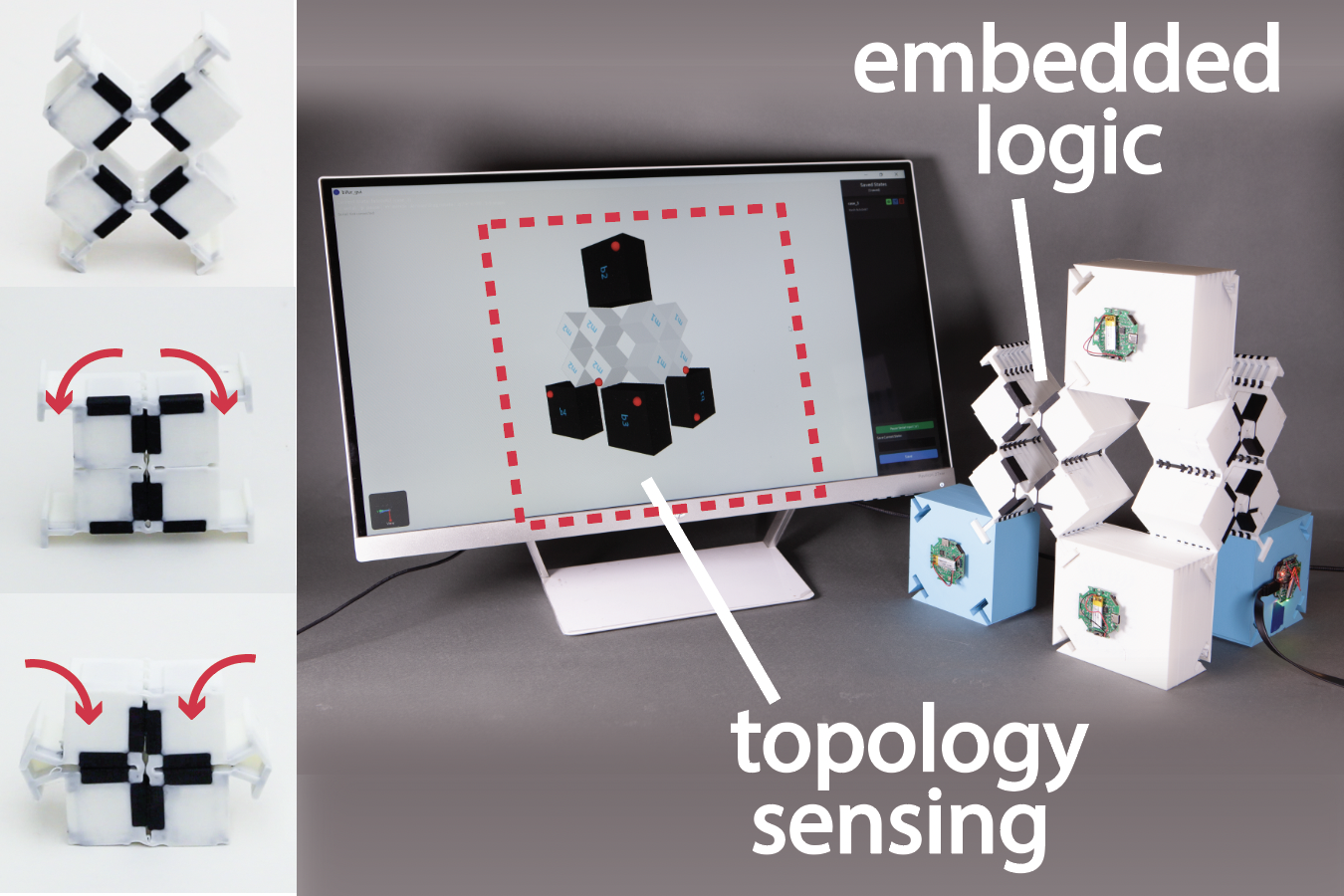
Bifur-circuits: Interactive and Modular Metamaterial Building Blocks Via Bifurcated Geometries.
In Proceedings of UIST '26. [* equal contribution]

InstructMesh: Selective Refinement of Generative 3D Models for Fabrication.
In Proceedings of UIST '26.
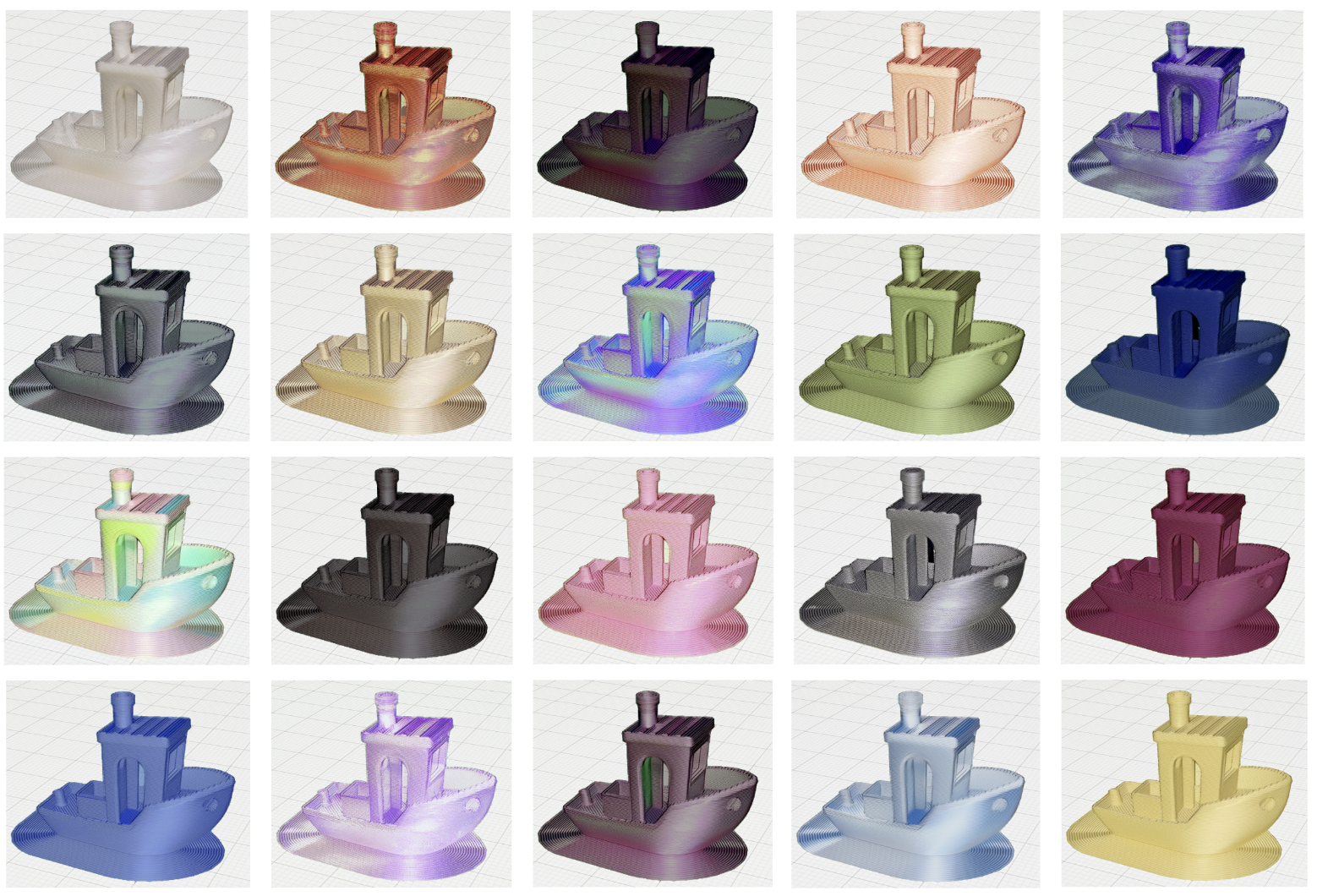
MorphoChrome: Real-Time, Handheld Fabrication of Programmable Structural Color.
In Proceedings of UIST '26. [* equal contribution]
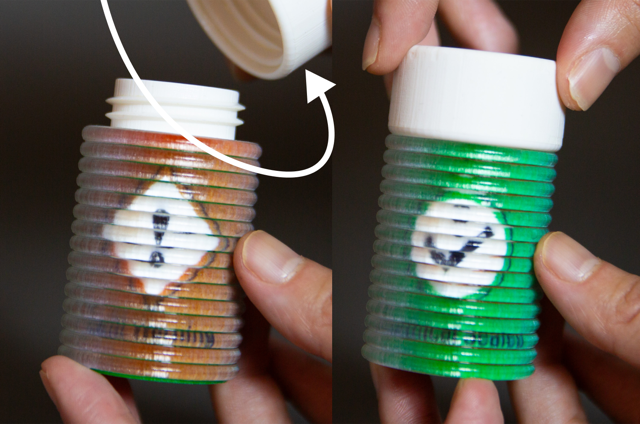
ShiftLens: Mechanically Actuated Optical Surfaces for Switchable Appearances on 3D Objects.
In Proceedings of UIST '26.
DOI PDF Video Project Page
DOI PDF Video Project Page
X-Hinges: 3D-Printed Self-Sensing Compliant Mechanisms for Continuous and Multi-DOF Motion Sensing.
In Proceedings of UIST '26.
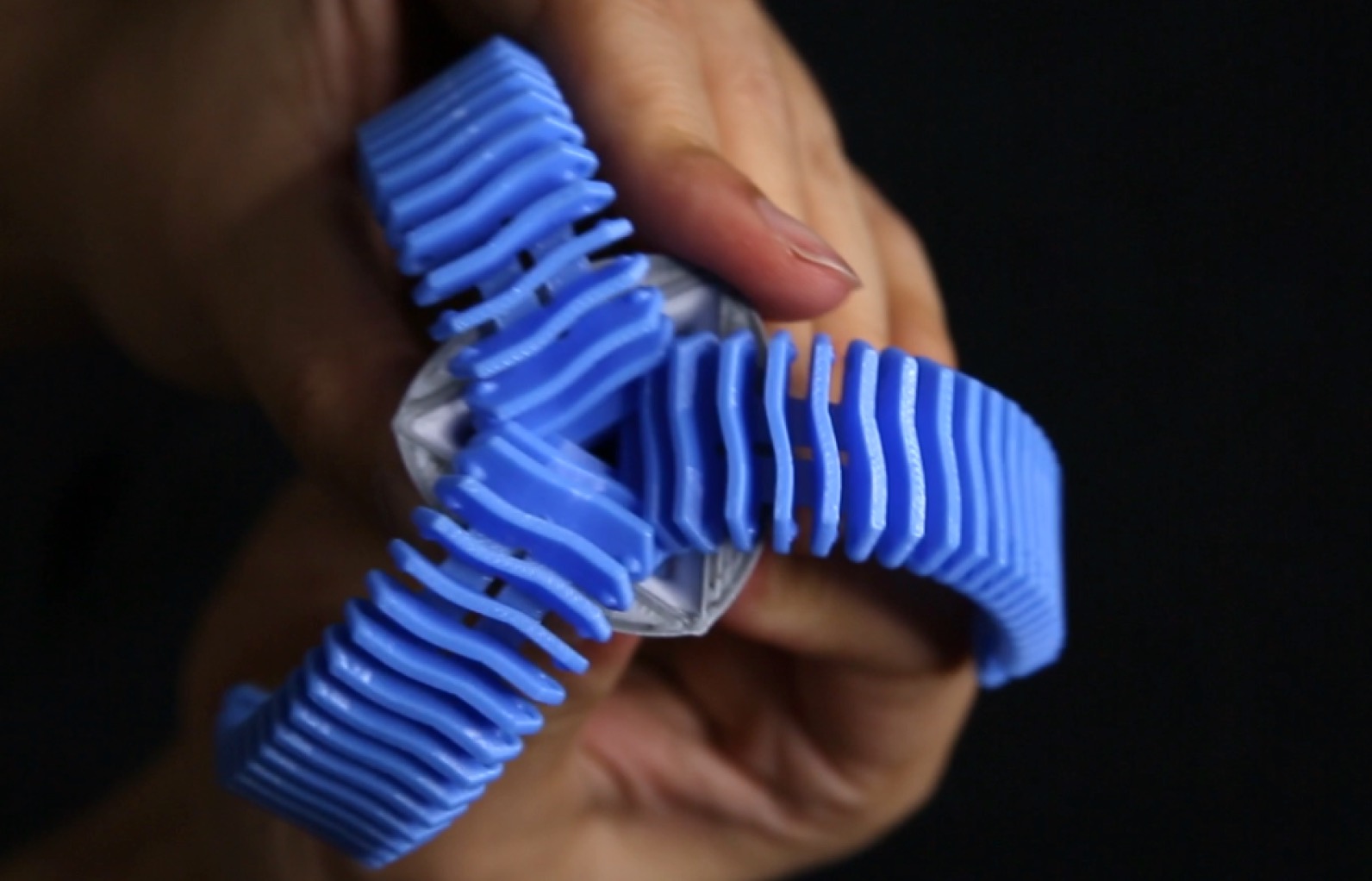
Y-zipper: 3D Printing Flexible-Rigid Transition Mechanisms for Rapid and Reversible Assembly
In Proceedings of CHI '26.
DOI PDF Video Slides Project Page
DOI PDF Video Slides Project Page
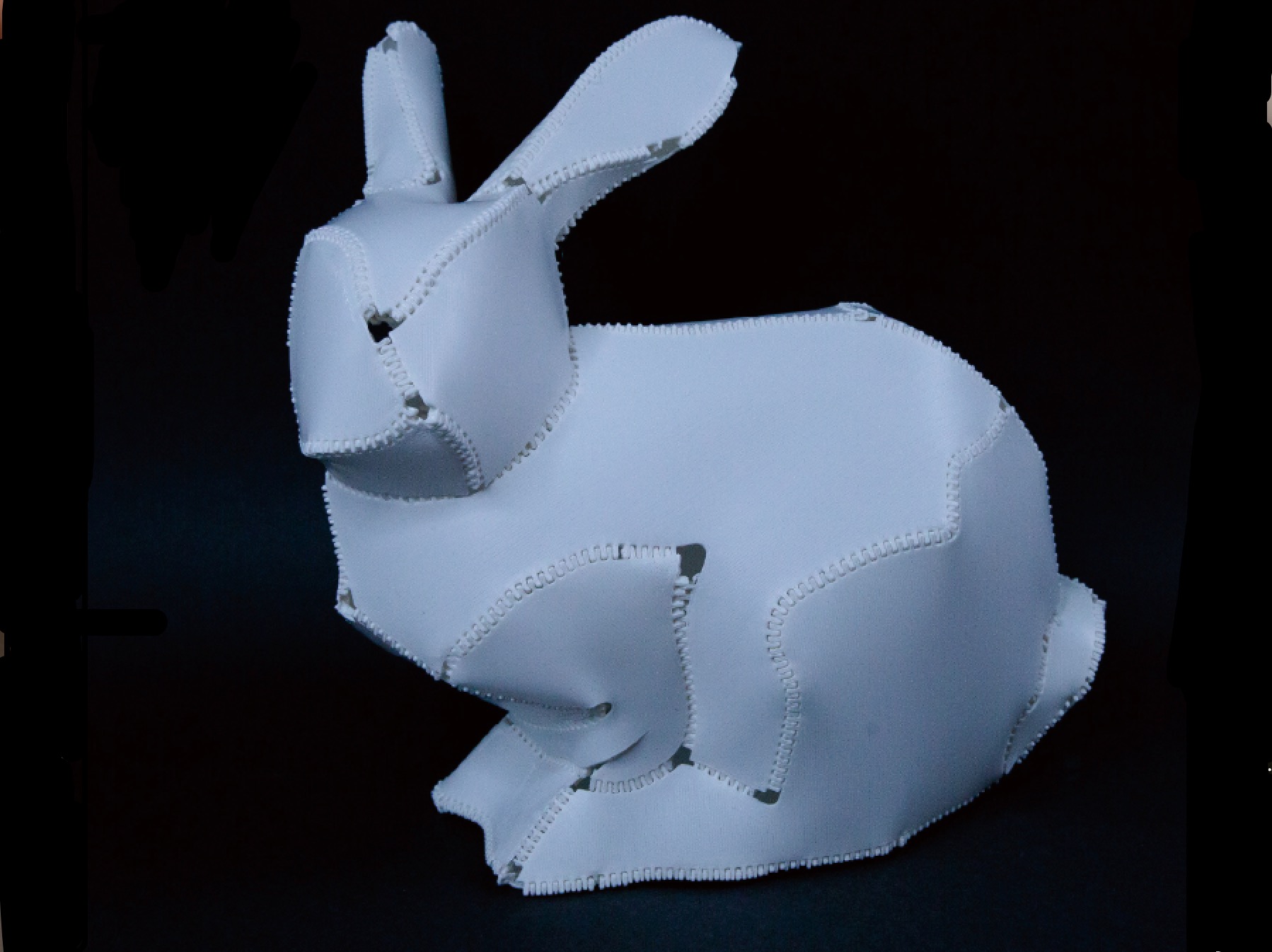
Zip-up Print: Rapid and Assemblable 3D Printing Using 2D Flattened Zipper-like Structures
In Proceedings of CHI '26.
DOI PDF Video Slides Project Page
DOI PDF Video Slides Project Page
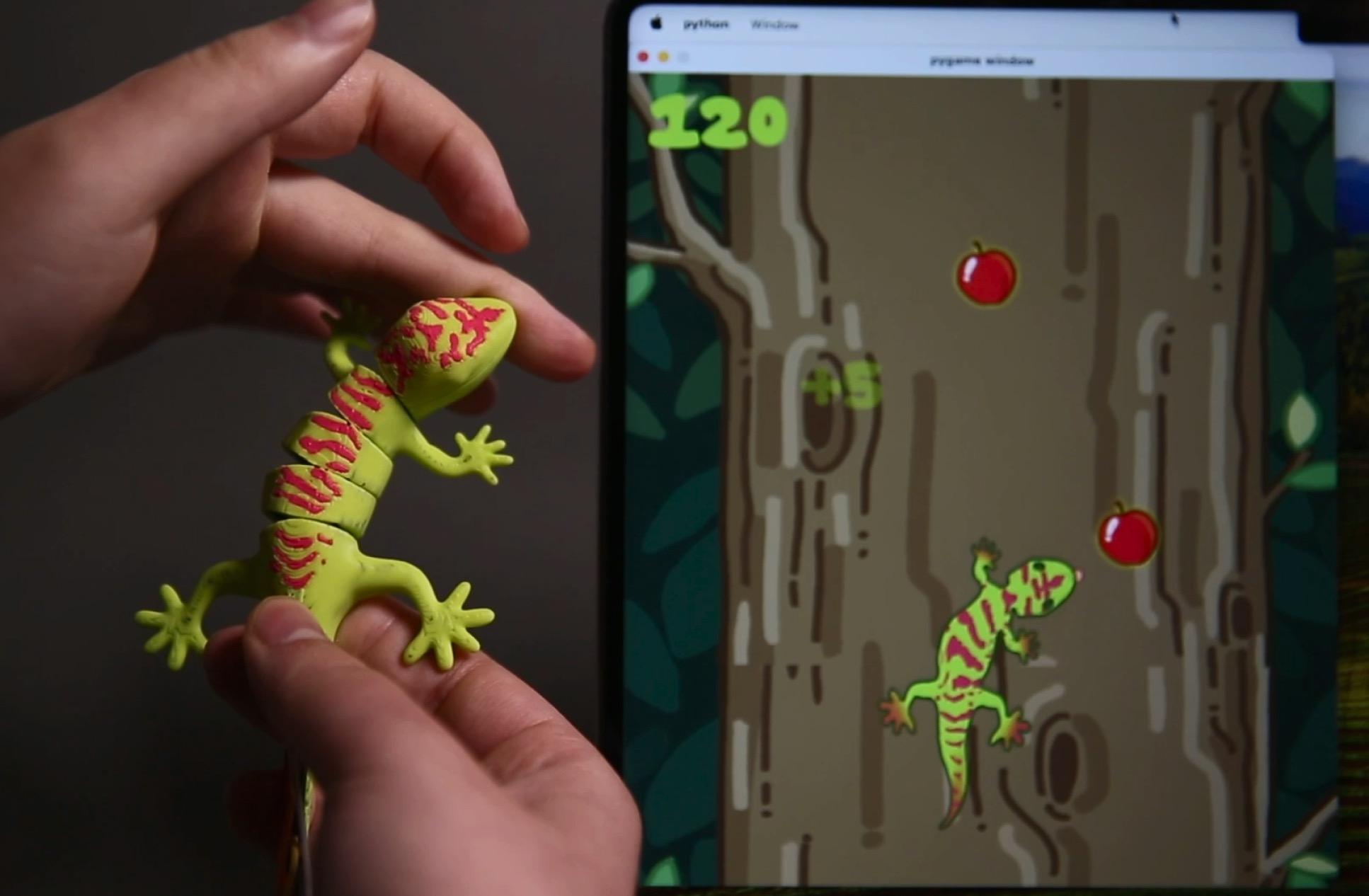
Xspine: Integrating Motion Sensing Capability into Dynamic Structures Using Multi-material FDM 3D Printing
In Proceedings of CHI '26. [* equal contribution] [Interactive Demos Jury Honorable Mention]
DOI PDF Video Slides Project Page
DOI PDF Video Slides Project Page
Research Projects
Objects with Interactive Appearances
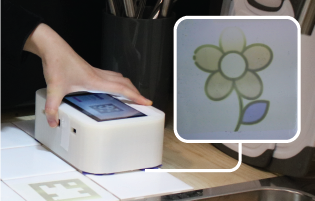
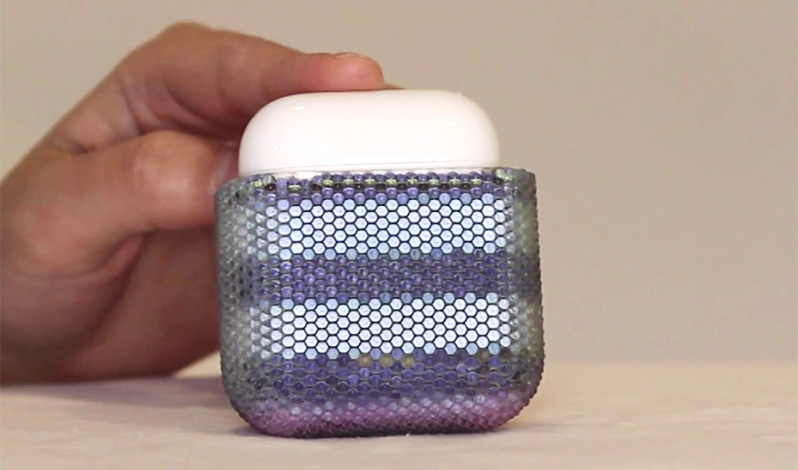
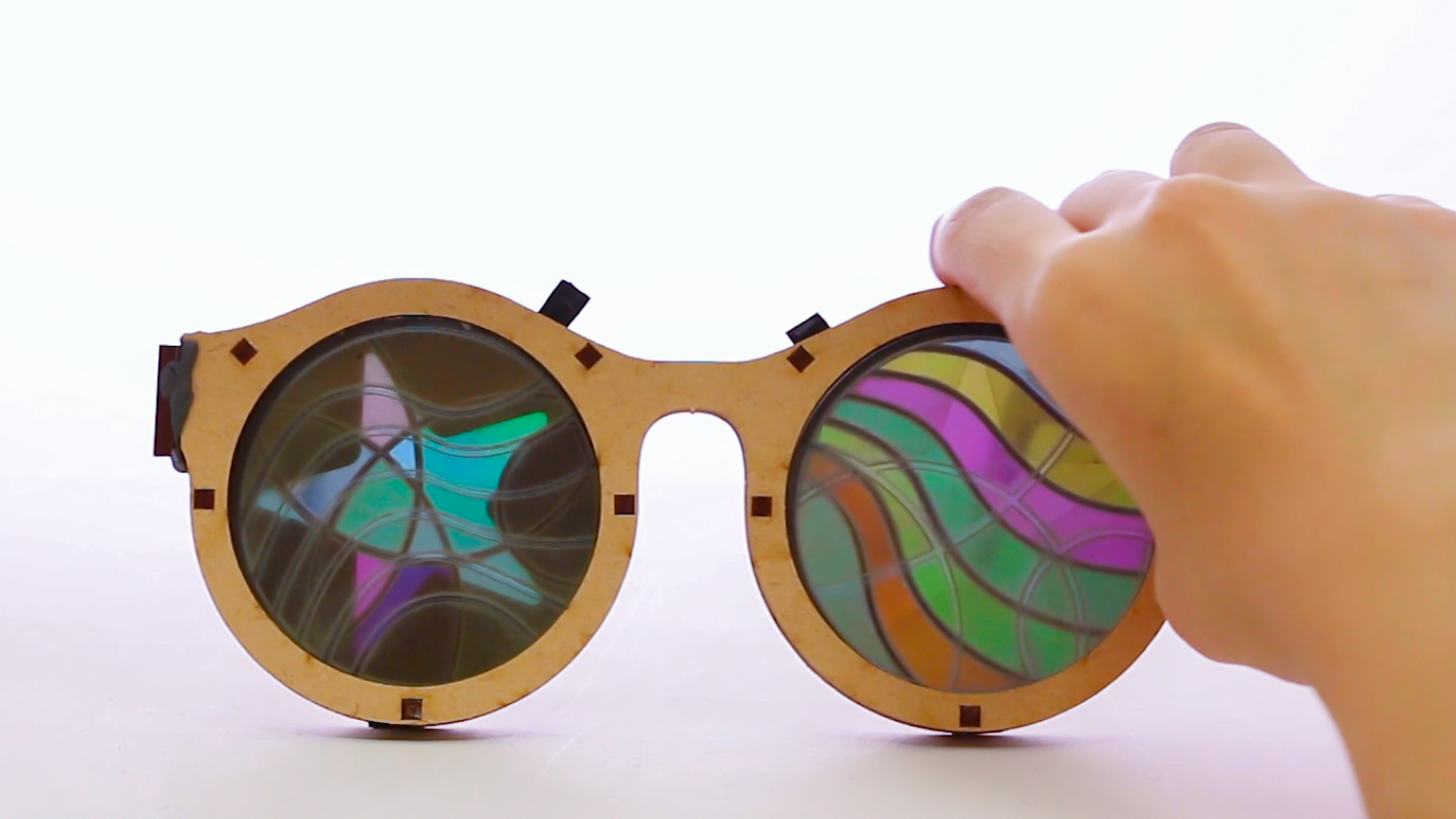
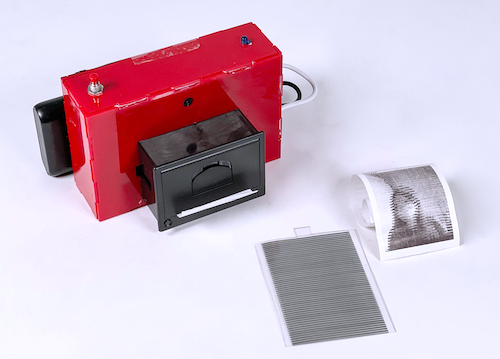
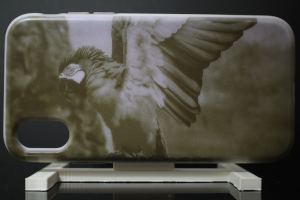
We investigate what interactions become possible when physical objects are able to change their appearance. We develop computational fabrication techniques that create appearance-changing objects using photochromic dyes that can create multi-color textures that are reprogrammable on-demand; high-resolution multi-color 3D printing to fabricate lenticular lenses across an object’s surface to enable viewpoint-based appearance changes; birefringent materials that creates rotation-based appearance changes via polarized light mosaics; and optical illusions to create animated physical photographs.
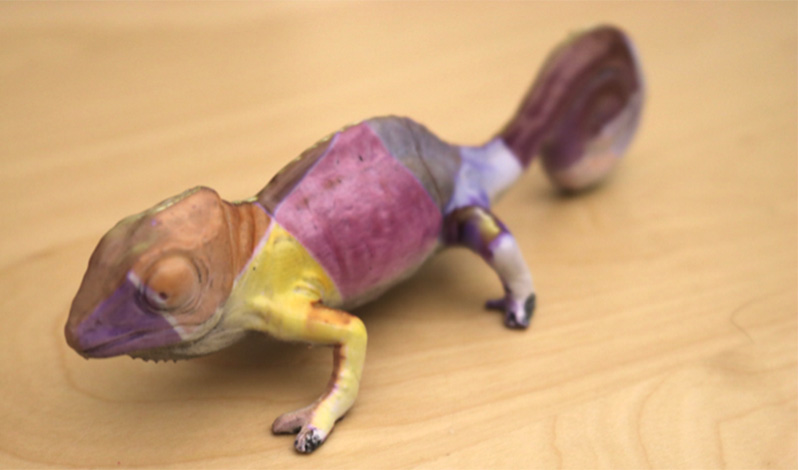 Photo-Chromeleon (ACM UIST 2019, Best Paper Award) |
 Lenticular Objects (ACM UIST 2021) |
 Polagons (ACM CHI 2023) |
 KineCam (ACM SIGGRAPH 2022 Art Paper) |
 ChromoUpdate (ACM CHI 2021) |
 PortaChrome (ACM UIST 2024) |
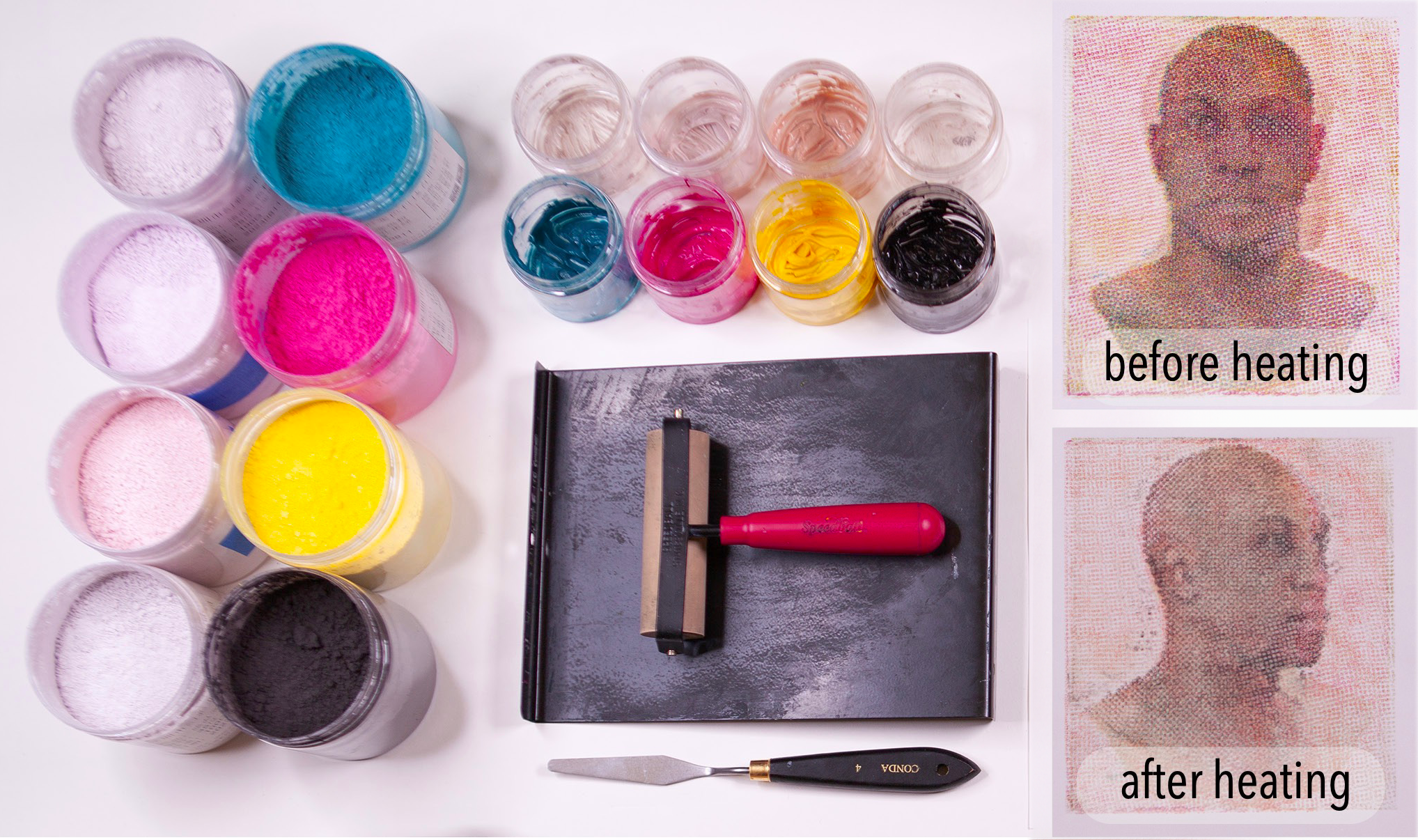 Thermochromorph (ACM SIGGRAPH Asia 2024 Art Paper) |
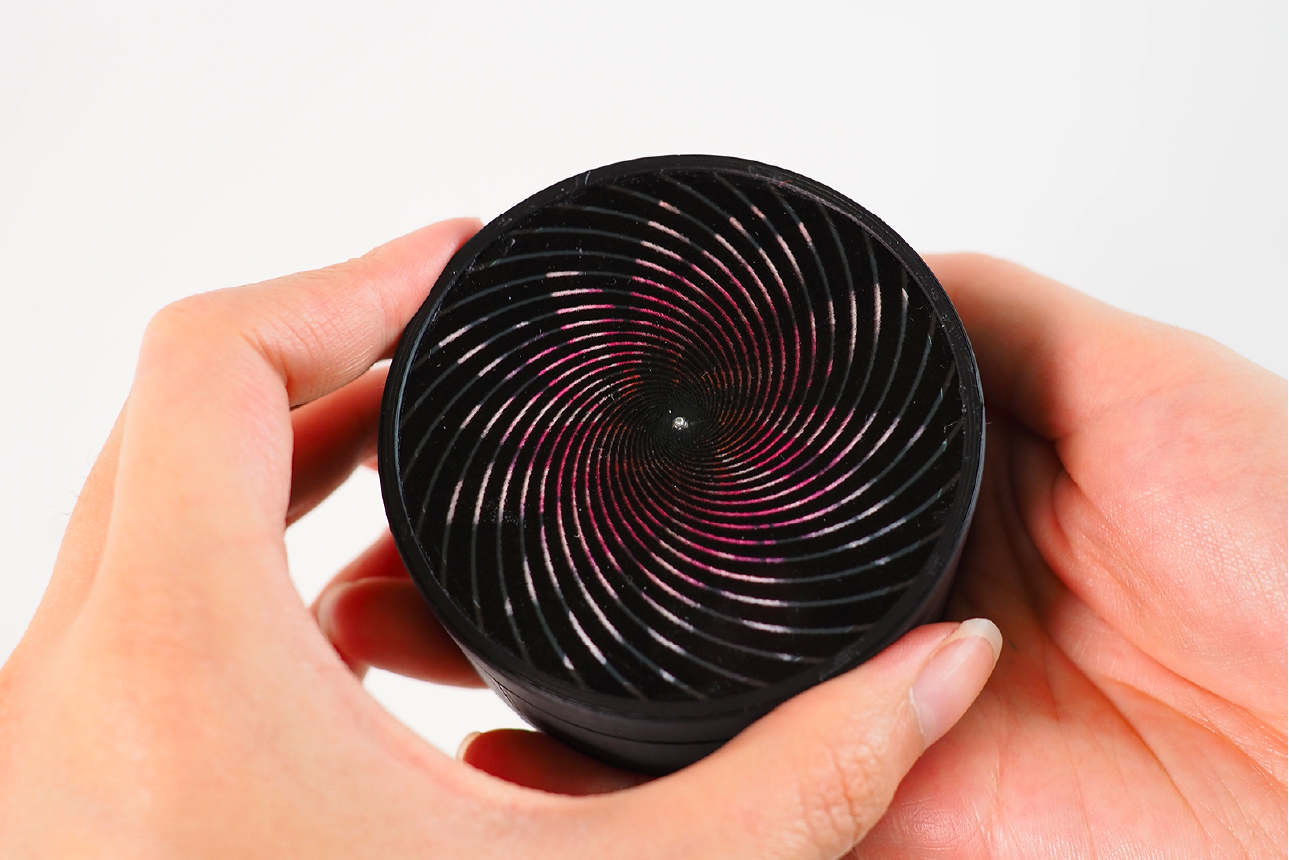 FabObscura (ACM UIST 2025) |
Augmenting Generative AI to Create Physically Functional Objects
Current Generative AI methods allow users to generate or manipulate 3D models based on text prompts provided by the user. While these methods produce visually compelling 3D models, the models are not physically functional post-fabrication, for instance, they might be fragile and break. In our lab, we are augmenting Generative AI models with the ability to also consider physical properties when generating 3D models, such as making sure models are structurally sound.
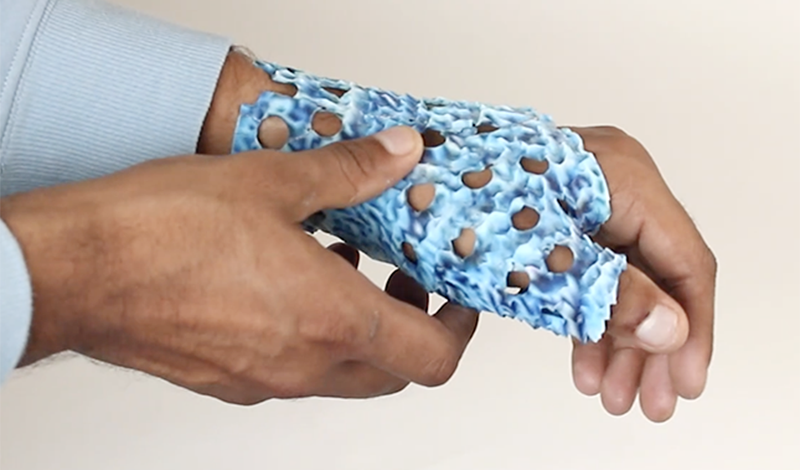 Style2Fab (ACM UIST 2023) |
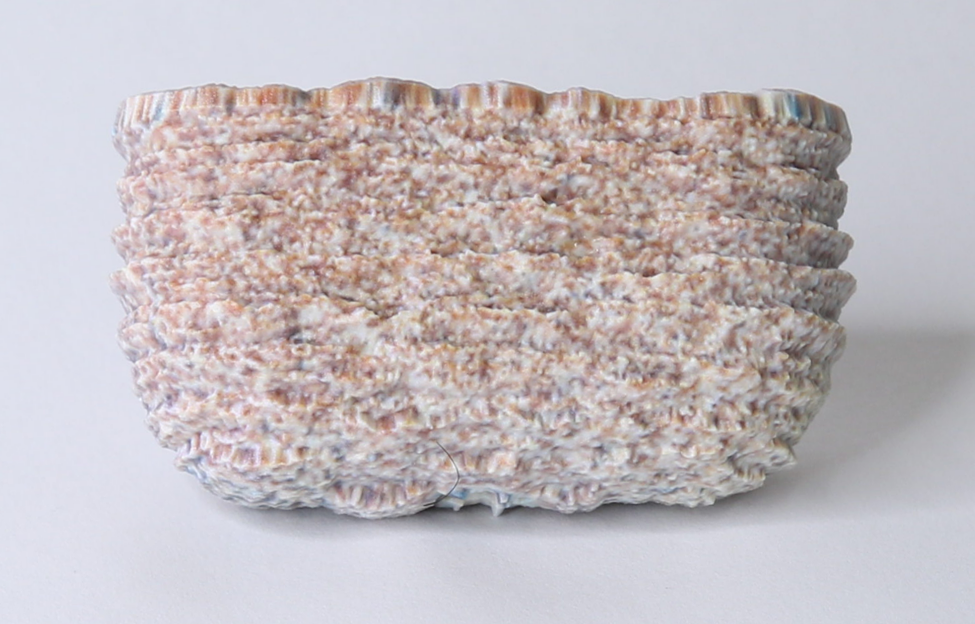 TactStyle (ACM CHI 2025) |
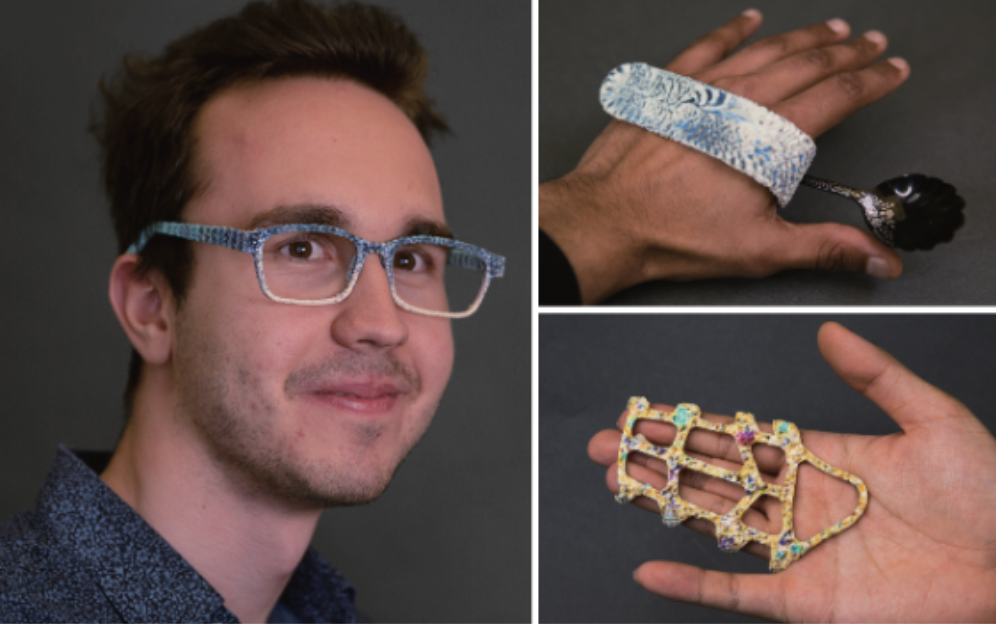 MechStyle (ACM SCF 2025) |
Fabricating Actuators
Designing and fabricating actuators with integrated sensing, such as required to manufacture robots in a single pass, is still challenging. We address this by developing new 3D printable actuators with integrated sensing.
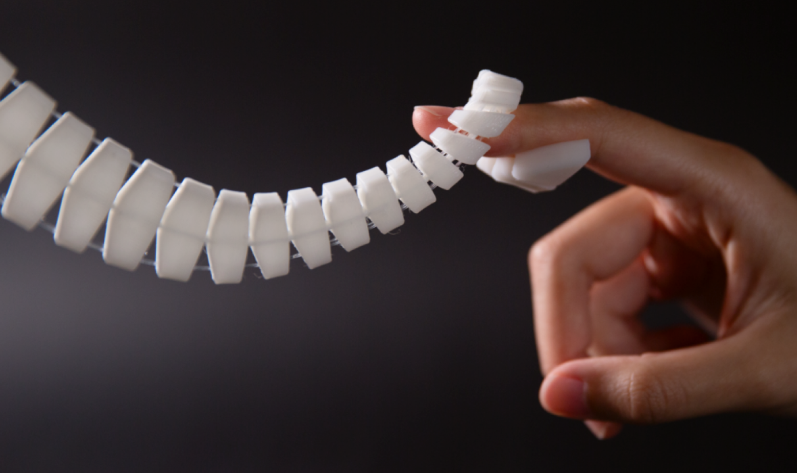 XStrings (ACM CHI 2025) |
XSpine (ACM CHI 2026) |
Embedding Sensing into Objects
Capturing interactions where they occur on an object can be challenging for curved, deformable, and moving object geometries. We develop fabrication techniques that integrate sensing with moving parts such as mechanisms where sensors and wires can interfere with the object function, deformable objects where sensors are difficult to adhere, and large-scale objects where current sensors are not able to capture the interaction wholistically.
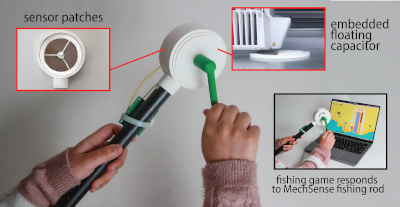 MechSense (ACM CHI 2023) |
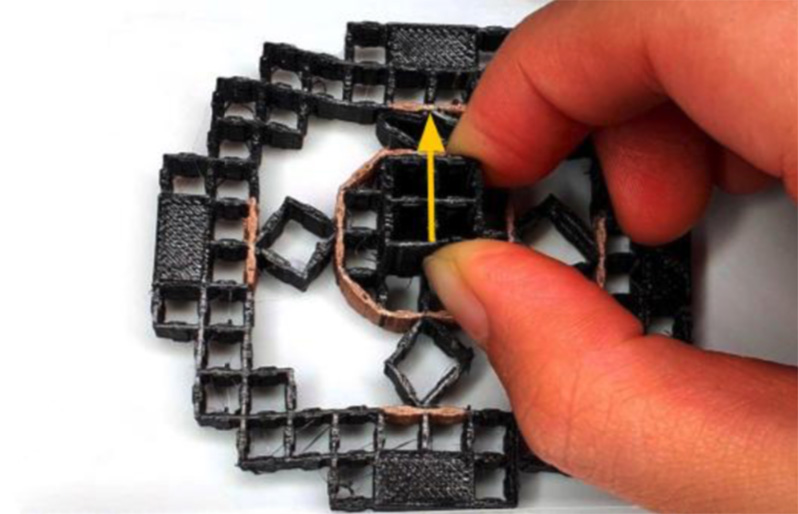 MetaSense (ACM UIST 2021) |
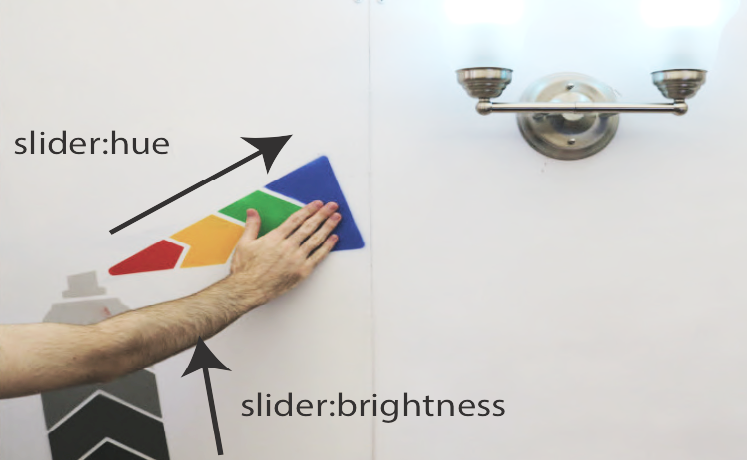 Sprayable User Interfaces (ACM CHI 2020) |
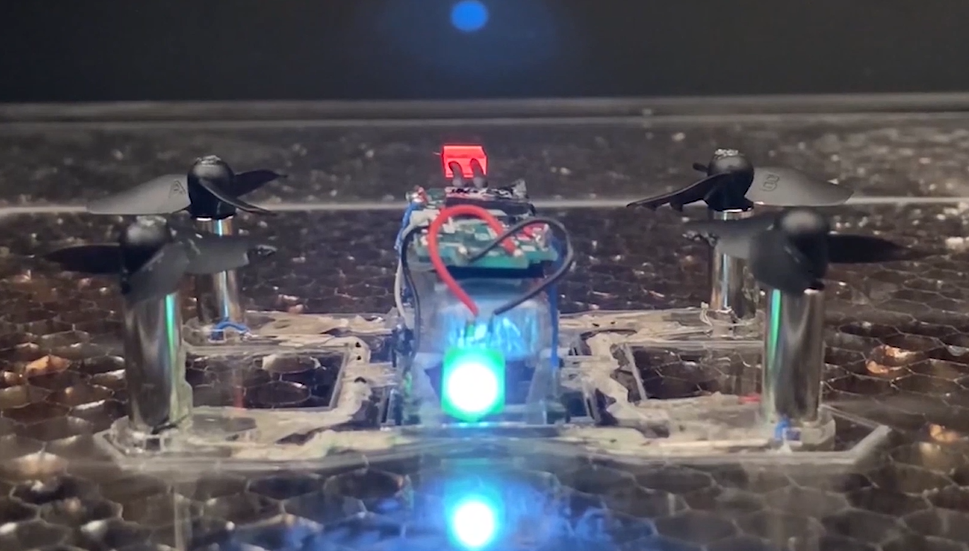 LaserFactory (ACM CHI 2021) |
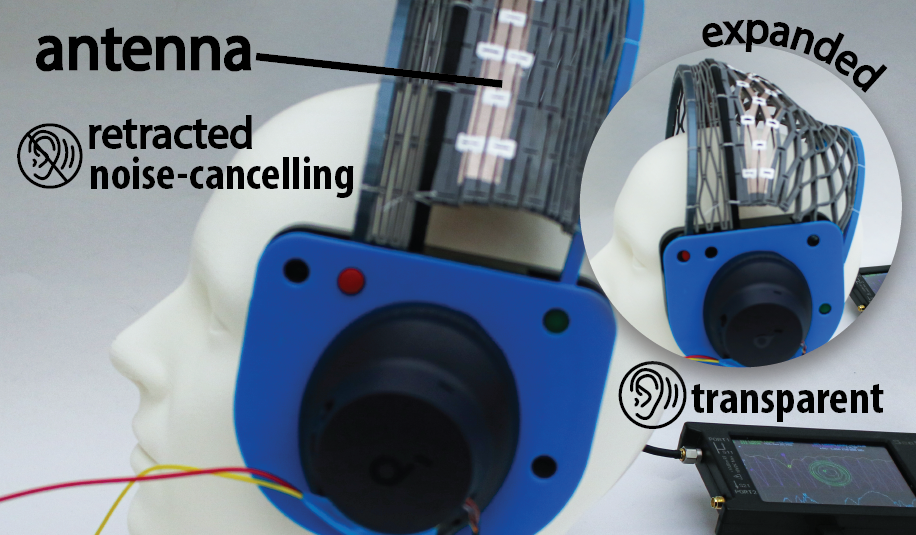 Meta-antenna (ACM UIST 2025) |
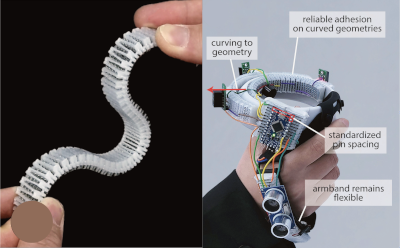 FlexBoard (ACM CHI 2023) |
Tracking Interactions via Markers
To keep objects passive while still being able to track interactions with them, we explore fabrication techniques that create invisible markers from infrared-translucent filament that can be tracked with IR cameras, create identifiable surface features based on artifacts of slicing and 3D printing that can be tracked with regular cameras, leverage existing surface features of materials via speckle imaging with a lens-less image sensor, or use magnetic pixels that can be read using hall effect sensors and viewed under magnetic viewing film.
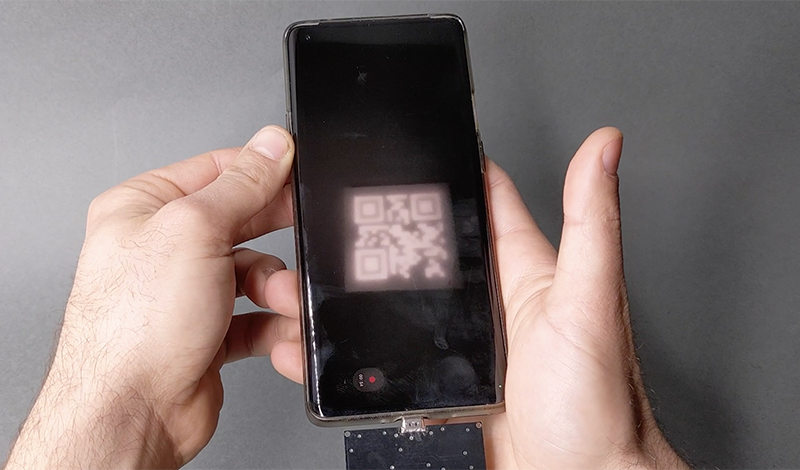 BrightMarker (ACM UIST 2023) |
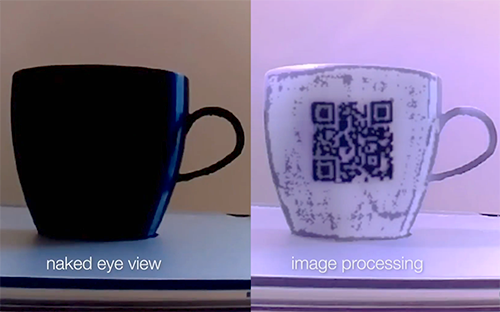 InfraredTags (ACM CHI 2022) |
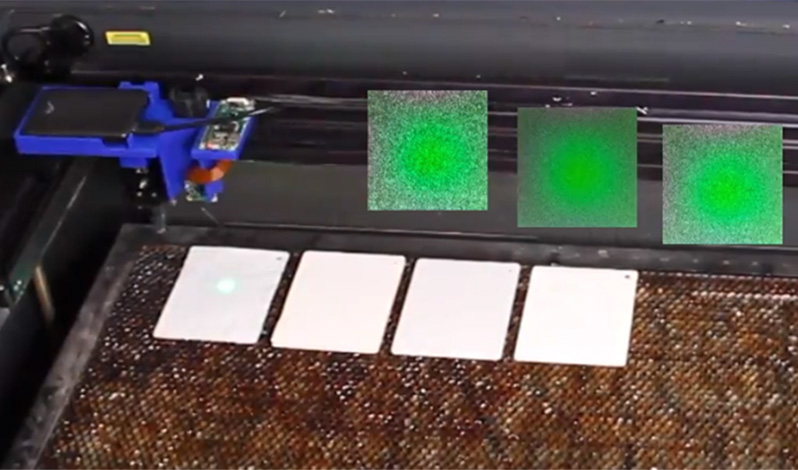 SensiCut (ACM UIST 2021) |
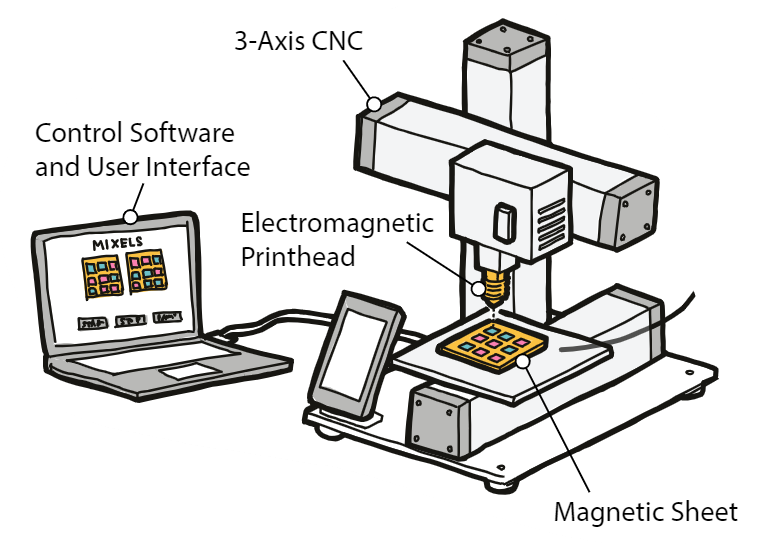 Mixels (ACM UIST 2022) |
Publications
We publish our research at the premier venues for Human Computer Interaction ACM CHI and ACM UIST.Full Publication List
UROP/MEng
We have advised more than 250 undergraduate research projects and 40 master thesis since starting the lab. 21 students received MIT EECS Best Undergraduate Researcher and Best Master Thesis Awards.How to Work with Us
Since 2017 © MIT CSAIL (HCI Engineering group) [redesign by
moji
].
All Rights Reserved.